Storage Media
|
Summary |
|---|---|
1. Magnetic media
|
|
2. Optical media |
|
3. Solid-state media |
|
Magnetic storage media
Magnetic storage media and devices store data in the form of tiny magnetised dots. These dots are created, read and erased using magnetic fields created by very tiny electromagnets.
In the case of magnetic tape the dots are arranged along the length of a long plastic strip which has been coated with a magnetisable layer (audio and video tapes use a similar technology).
In the case of magnetic discs (e.g. floppy disc or hard-drive), the dots are arranged in circles on the surface of a plastic, metal or glass disc that has a magnetisable coating.
Hard Drives
Hard-drives have a very large storage capacity (up to 1TB). They can be used to store vast amounts of data. Hard-drives are random access devices and can be used to store all types of films, including huge files such as movies. Data access speeds are very fast.
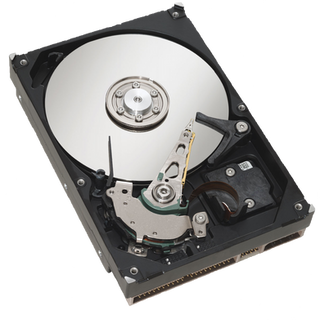
Fixed Hard Drive
A hard-drive built into the case of a computer is known as ‘fixed’. Almost every computer has a fixed hard-drive.
Fixed hard-drives act as the main backing storage device for almost all computers since they provide almost instant access to files (random access and high access speeds).
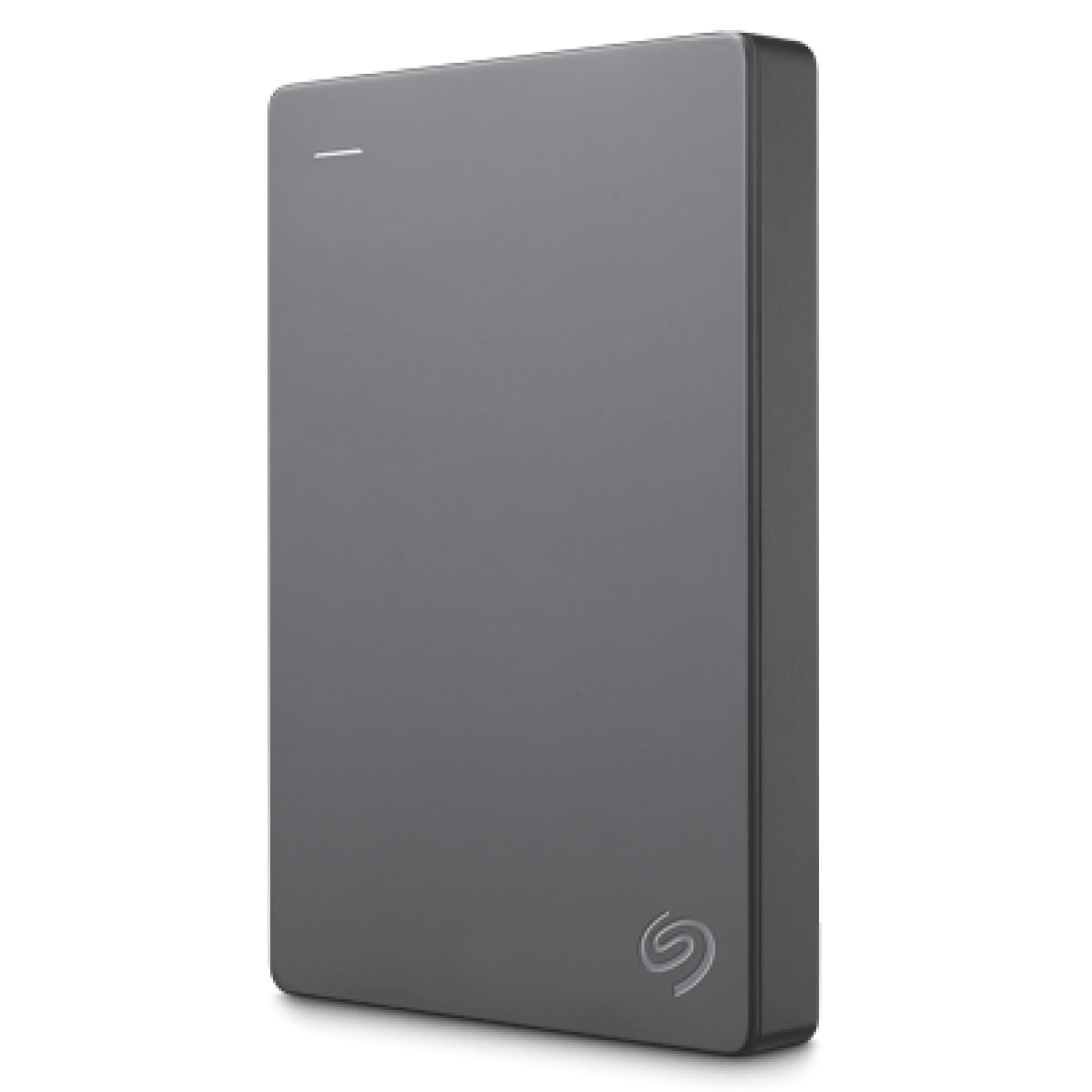
Portable Hard Drive
A portable hard-drive is one that is placed into a small case along with some electronics that allow the hard-drive to be accessed using a USB or similar connection.
Portable hard-drives allow very large amounts of data to be transported from computer to computer.
Many portable music players (such as the iPod classic) contain tiny hard-drives. These miniature devices are just not much bigger than a stamp, but can still store over 100MB of data!
Magnetic Tape
Magnetic tape is a large capacity, serial access medium. Because it is a serial access medium, accessing individual files on a tape is slow.
Tapes are used where large amounts of data need to be stored, but where quick access to individual files is not required. A typical use is for data back-up (lots of data, but rarely only accessed in an emergency)
Tapes are also used and in some batch-processing applications (e.g. to hold the list of data that will be processed).